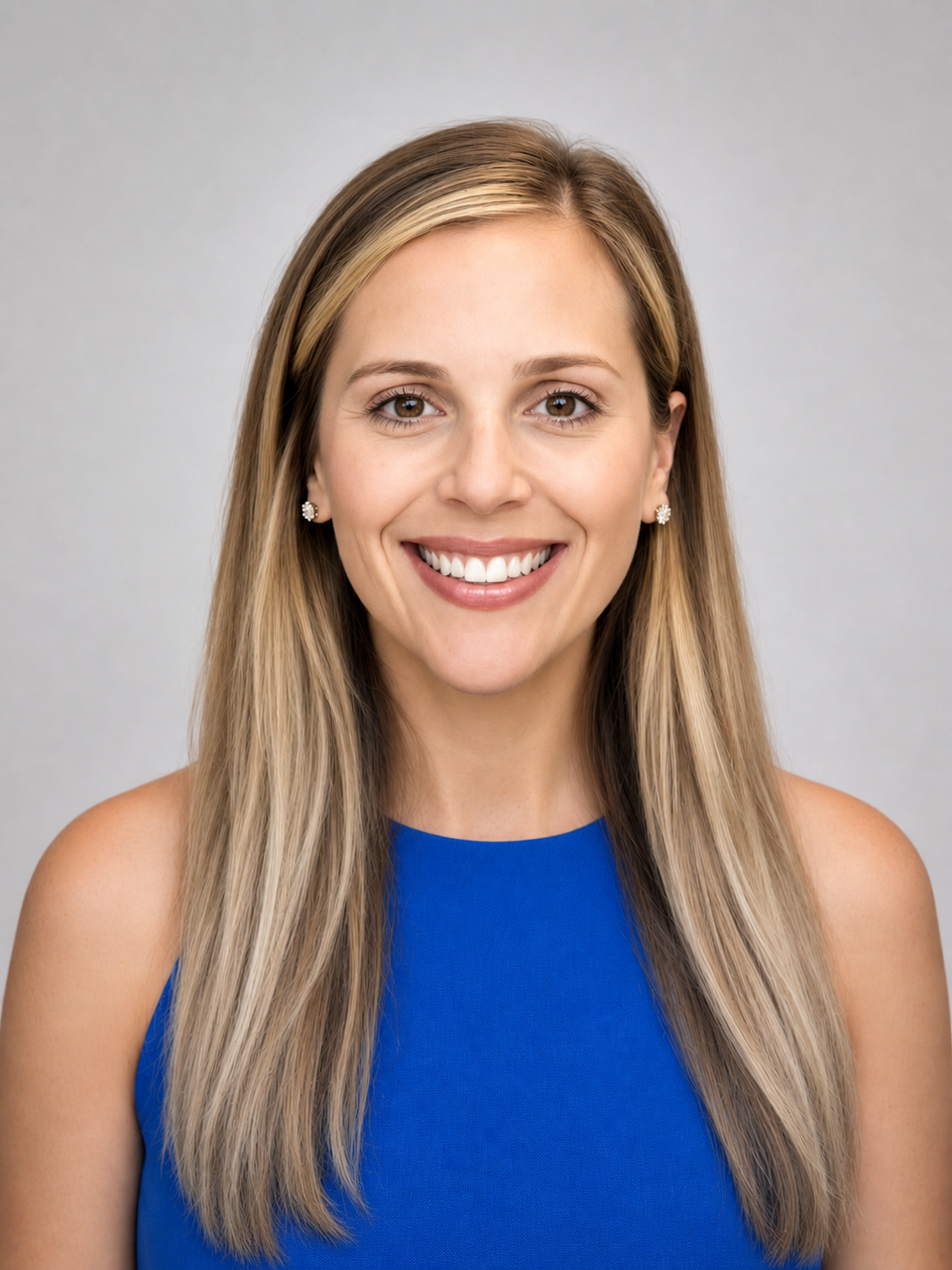
Rebecca Driscoll, CPA
Rebecca built and sold a CPA firm. She focuses on how operations, systems, people, and client expectations fit together to make firms better to run.
Rebecca Driscoll and Charlie Barmore are figuring that out in public.
We are two CPAs testing ideas, questioning old assumptions, and talking openly about what’s changing inside accounting firms.
Charlie explores what AI can automate, build, and improve. Rebecca looks at how the firm’s processes, systems, people, and client expectations need to fit together for those changes to work.
Rebecca built and sold a CPA firm. She focuses on how operations, systems, people, and client expectations fit together to make firms better to run.

Charlie runs a Georgia CPA practice and builds with AI. He tests new tools, agents, and workflows to see what they can improve in real accounting work.
Real Firms sits at the intersection of The Collaboration Room and AI Lab for Accountants.
TCR focuses on the realities of running the firm. AI Lab explores what’s becoming possible. Real Firms is where those two conversations meet.
TCR gives firm owners a place to work through decisions about clients, pricing, capacity, staffing, and boundaries with peers and experienced guidance. The aim is to build a firm you want to own.
Explore The Collaboration RoomIn AI Lab, accountants experiment with new models, tools, agents, and workflows, share what they learn, and figure out where AI helps in the work their firms actually do.
Explore AI LabWhether a conversation starts with a new AI capability or a problem inside a firm, we ask how the change will affect the people doing the work.
What can we hand over to a model or an agent? What needs a person? We test the workflows and talk about their limits.
When the work changes, what should clients pay for? We look at the economics and the conversations that come with them.
What happens to staffing, roles, and workload when old constraints change? And does the owner actually get any time back?
How are expectations changing? Which relationships fit the firm you’re building, and which ones need a different conversation?
Being able to do more doesn’t mean saying yes to everything. What does a reasonable boundary look like in practice?
What should an accounting firm become now that the old constraints are changing? The business model, the systems, and the owner’s role are all part of it.
Technology, workflow, pricing, people, and client expectations all affect how a firm operates. Improving one of them often means reconsidering decisions about the others.
We bring different experience to those questions and work through them together, including the uncomfortable decisions about raising prices, changing expectations, and saying no when it is right for the firm.
A firm can have great technology and still be miserable to run if the owner cannot hold a boundary with a client.
Real Firms makes that conversation public, without anyone having to join anything first.
Before we ask what AI can automate, we need to understand how your firm operates. Unclear responsibilities, scattered information, duplicate systems, and inconsistent processes will still need attention when a new tool arrives.
Charlie focuses on what can be automated, built, or improved with AI. Rebecca focuses on how the work is organized, what needs to be cleaned up first, whether the tech stack makes sense, and how the changes fit the team’s workload and the firm’s client commitments.
For example, automating onboarding starts with understanding the current steps, who owns each one, where client information lives, and which steps can be removed before anything is built.
We are both CPAs, so we understand the context of tax deadlines, client work, review, and systems that need to function under pressure. We bring that experience to the decisions about what to build and how it will work inside your firm.
Better firms require both better systems and braver decisions.
Talk with us about your firmWe asked 437 practitioners how AI is actually being used inside firms, what is stopping everyone else, and where the profession is heading.
On the Real Firms podcast and YouTube channel, Rebecca and Charlie test what’s new, question what’s assumed, and work through what it means inside an accounting firm.
We compare what Charlie has been building with the operational questions Rebecca works through with firm owners. Those conversations connect new technical possibilities with the decisions, processes, and relationships that shape a working firm.
Can you put client data in that tool? The AI Tool Safety Index checks 228 of them against each vendor’s own binding terms. If you use AI anywhere near client work, start there.
Open the Tool Safety IndexWe share what we have built, what we have learned when something breaks, and the assumptions we think the profession should reconsider.
Reach us anytime: hello@realfirms.co
You can explore the ideas with us on the podcast, work through them with peers in TCR and AI Lab, or talk with us about implementing AI in your firm.